
Posts by Peptra Labs Research


GLP-1 and Mitochondria: A 2026 Review Maps the Axis
GLP-1 drugs touch mitochondrial biogenesis, dynamics and mitophagy. A 2026 Aging Cell review asks how much of that is the receptor, not weight loss.
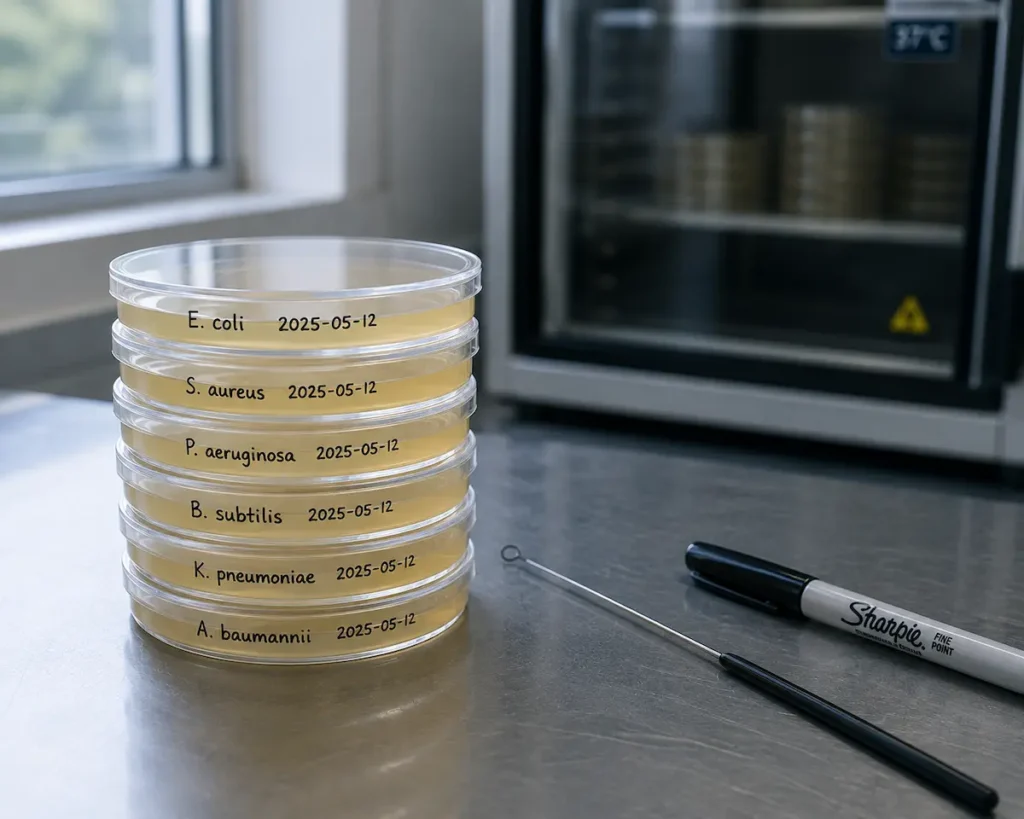
MOTS-c Neutralised MRSA in Mice: A 2026 eLife Report
MOTS-c is not only a metabolic peptide. An eLife paper reports it kills bacteria directly and reprograms monocytes, making it the first mitochondrial HDP.

Retatrutide and Cholesterol: A Post Hoc Look at 2 Trials
Retatrutide was associated with large drops in atherogenic lipoproteins in two phase 2 trials. The analysis was post hoc, and biomarkers are not events.

Thymosin Beta-4 in Colitis: What a 2026 Mouse Study Found
Thymosin beta-4 turns up in gut inflammation, not just tissue repair. A 2026 mouse study links it to a receptor nobody associated with the peptide before.
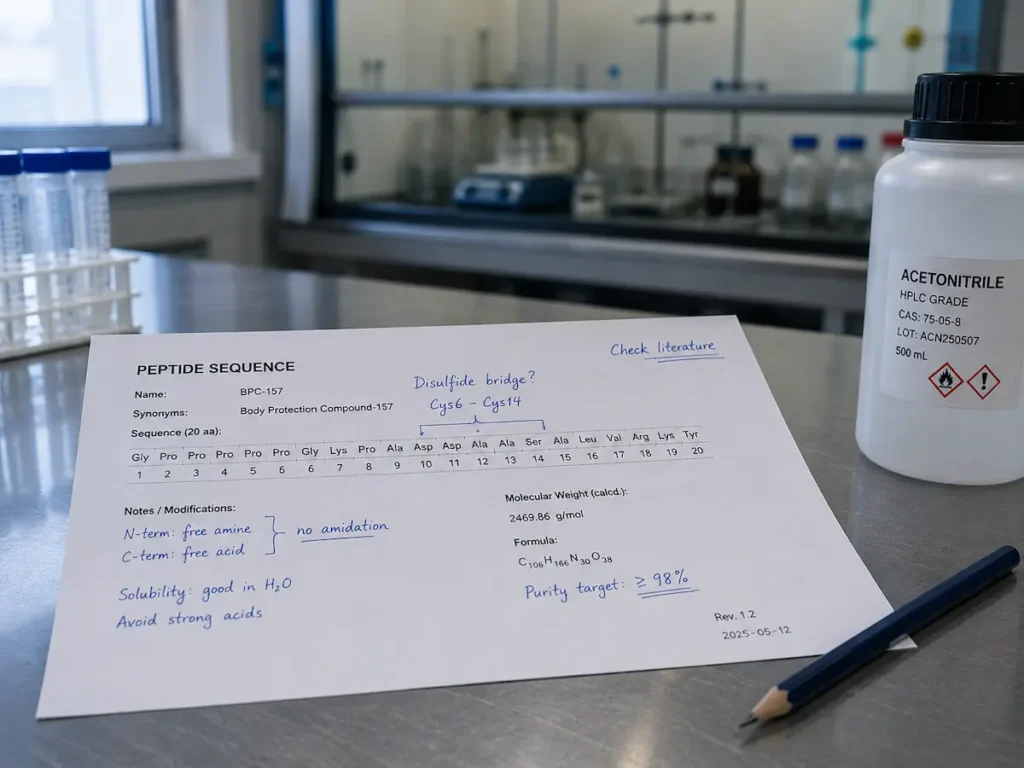
GEP44: A 3-in-1 Peptide Designed Around Side Effects
GEP44 is a chimeric peptide built from GLP-1, exendin-4 and PYY3-36. Its design target was tolerability, not more weight loss. All data are preclinical.
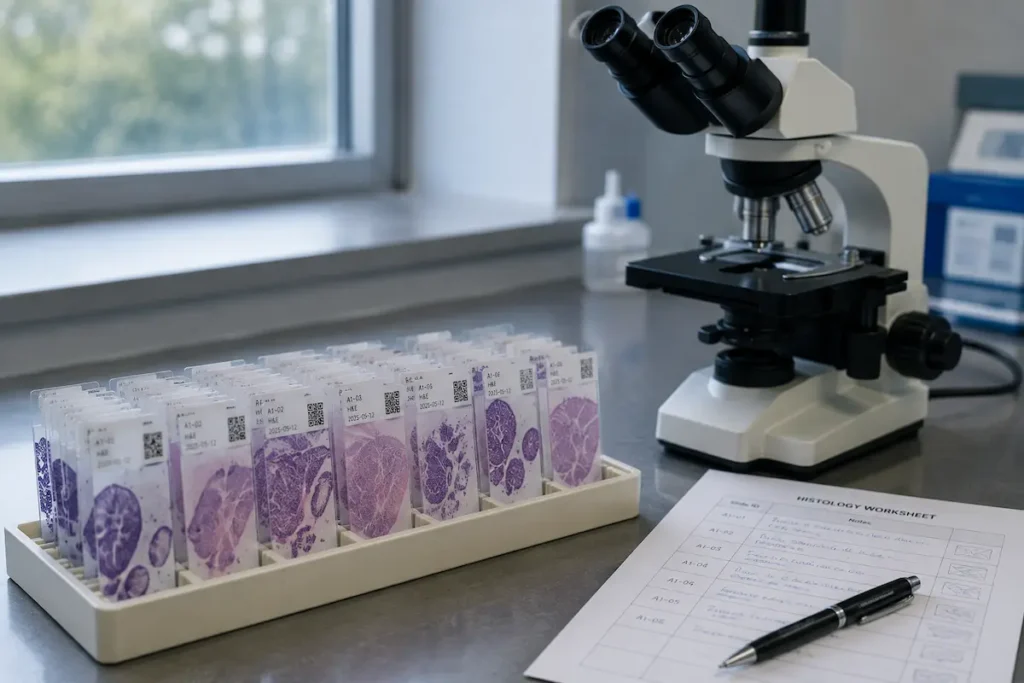
Semaglutide in MASH: What a 52-Week Biopsy Trial Found
Semaglutide plus an SGLT2 inhibitor beat monotherapy on every histological number in a 52-week MASH trial, and still missed its primary endpoints.

Tirzepatide and Blood Pressure: 32 Trials, Two Signals
Tirzepatide cut hypertension-related adverse events but raised hypotension-related ones across 32 trials, while semaglutide looked neutral on both counts.
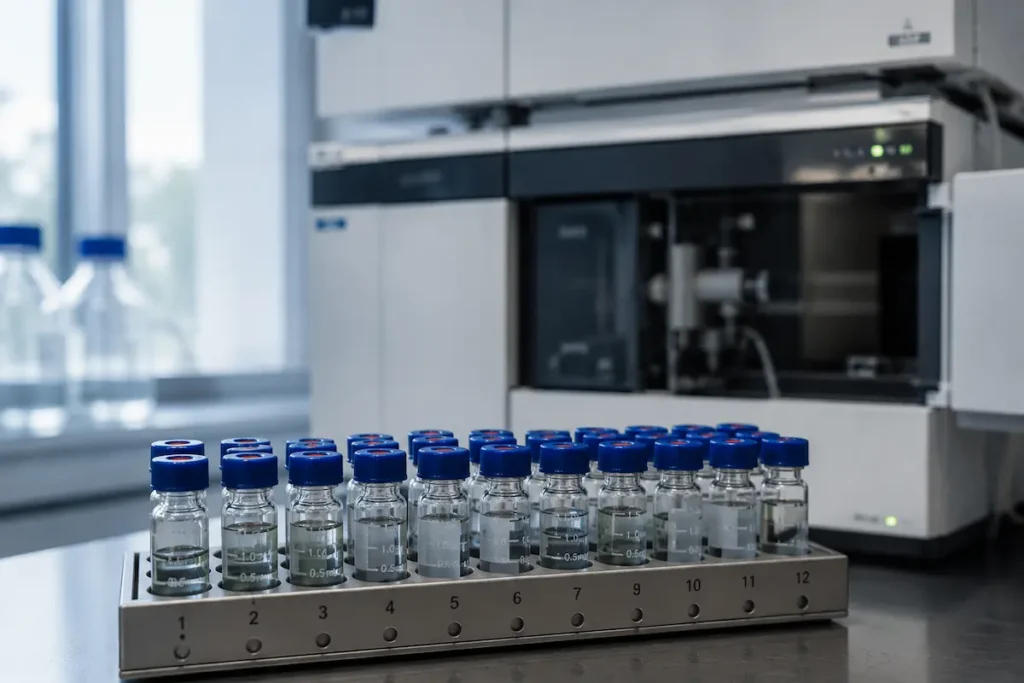
GLP-1 Receptor Agonists: One Method Now Identifies 9
GLP-1 receptor agonists are hard to tell apart analytically. A validated LC-HRMS method now identifies and quantifies nine of them in one 20 minute run.

MOTS-c and the Overlooked Microproteins: What a 2026 Review Adds
A narrative review in Epigenomics maps the microproteins encoded by short open reading frames, and names the MOTS-c peptide among the handful that are well studied. It is a useful reframing of a compound usually discussed on its own.
KPV Peptide Research Moves Into Metabolism: First Adipocyte Study Reported
KPV peptide work has centred on inflammation for nearly two decades. A new Tissue Cell paper reports the first look at what the tripeptide does to fat cell differentiation, in cultured cells and in a mouse model.