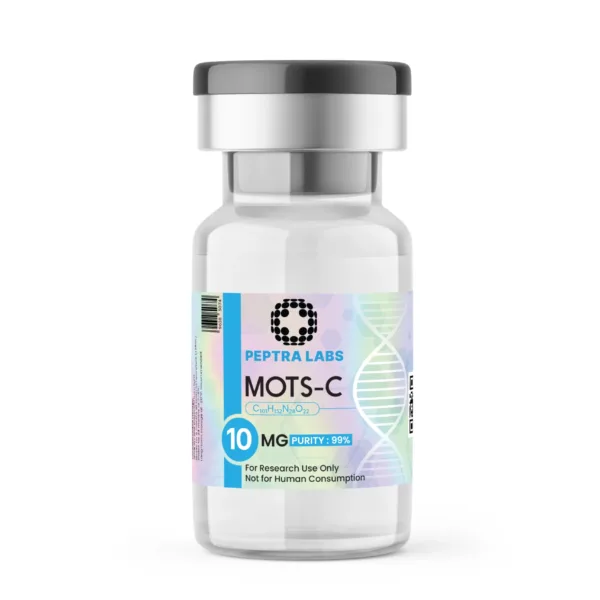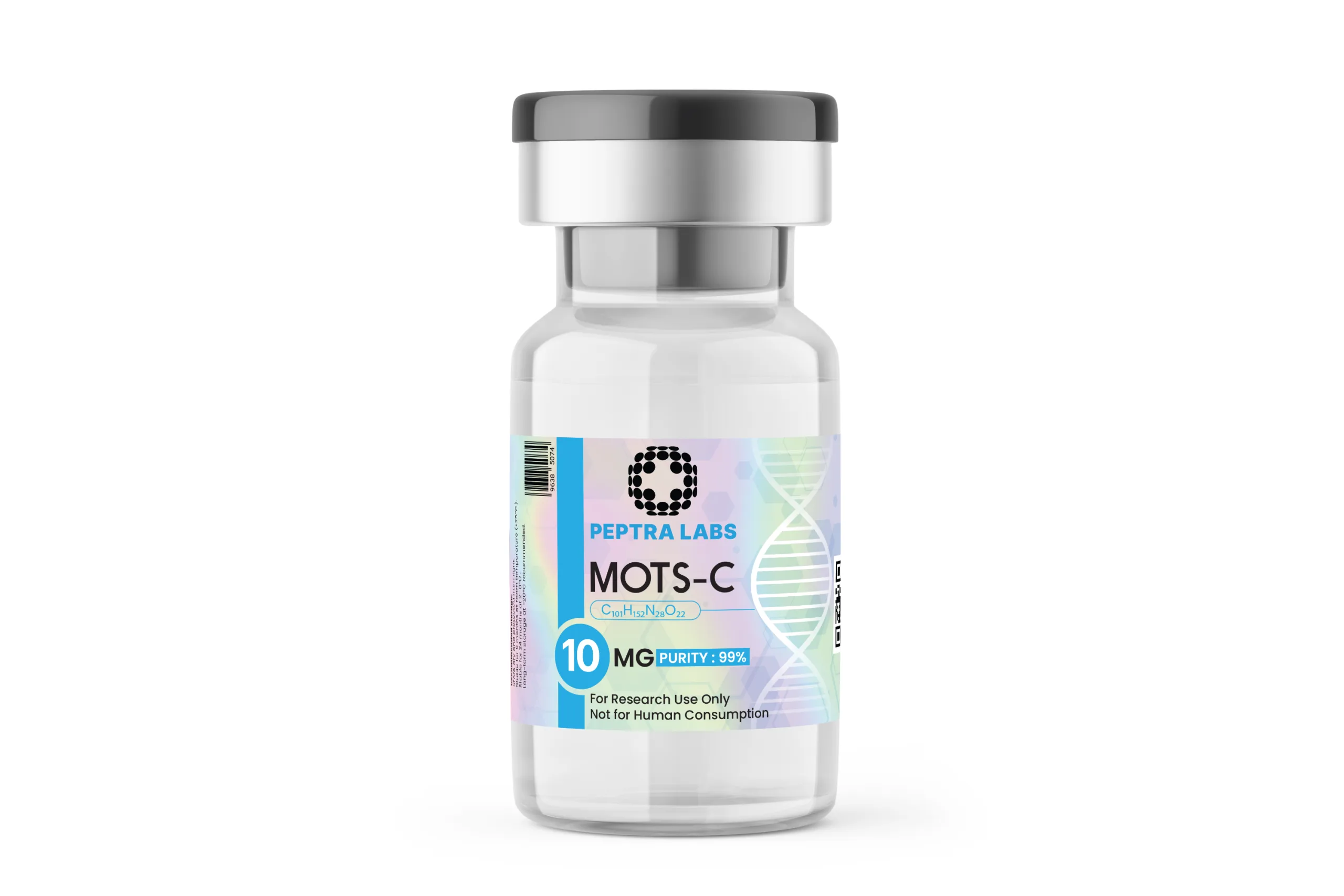
Mots-C
10mg59,99 € incl. VAT
A 16-amino-acid peptide encoded in mitochondrial DNA (12S rRNA region). Studied in published in vitro and rodent research on AMPK signalling, glucose metabolism and mitochondrial-nuclear communication. Research use only.
In stock
Delivery in 2–5 working days · Free EU shipping over 300 €
Batch-level quality proof
Every research peptide is supplied as a sealed, clearly labelled vial. Where a production lot has been tested, its Certificate of Analysis information and purity results are published online, not shipped as research paperwork in the parcel.
Sealed vial
Clear label, lot traceability, protective packaging.
Certificate of Analysis per tested lot
Listed report available for batch XD-MS10-PO05. Purity shown: 97.5%.
RUO boundary
Not for human or veterinary use, no protocol or dosing advice.
When this product is not suitable: Do not order for personal use, clinical use, injection, compounding, resale as a supplement, or any project that requires a specific assay not shown for the relevant batch.
Product specifications
| Quantity | 10mg |
|---|---|
| Unit | 1 vial |
| Purity data | 97.5% (batch XD-MS10-PO05) |
| Salt form | Acetate |
| Sequence | Met-Arg-Trp-Gln-Glu-Met-Gly-Tyr-Ile-Phe-Tyr-Pro-Arg-Lys-Leu-Arg |
| Molecular mass | 2174.6 |
| CAS number | 1627580-64-6 |
| Solubility | Soluble in water |
Description
Research Use Only. This material is supplied for in-vitro laboratory research by qualified professionals. It is not a medicine, supplement, cosmetic ingredient or veterinary product, and it is not for human or animal consumption. The research summary below describes published scientific literature; it is not a claim of effect, benefit or suitability for any person.
MOTS-c is a 16-amino-acid peptide encoded by the mitochondria, first reported around 2012 by researchers at USC. It's described as a new kind of mitochondria-to-nucleus signaling, with work pointing to a role in adjusting nuclear gene expression when cells are under metabolic stress. Supplied as lyophilised material for in-vitro laboratory research.
Research context
Published research that mentions or examines MOTS-c appears across several areas, including skeletal muscle, lipid metabolism, insulin signaling, bone tissue model systems, cellular aging models, and studies that track cardiovascular markers.
The product is intended for scientific research and development purposes only. Chemical substances shall not be used as a drug, medicine, active substance, medical aid, cosmetic product, a substance for production of a cosmetic product neither for human consumption that is any food or food supplement or otherwise similarly used on humans or animals. Intended only for in-vitro research, such as Receptor-ligand binding studies, Enzyme activity assays, Cell proliferation assays, Cell signaling assays, Epitope mapping, etc. Do not order for personal use, clinical use, injection, compounding, resale as a supplement, or any project that requires a specific assay not shown for the relevant batch.
Frequently asked questions
What is Mots-C used for in research?
Mots-C is a research compound studied in preclinical and in-vitro literature. Peptra Labs supplies it strictly for laboratory research use only, not for human or veterinary use.
Can I buy Mots-C in Europe from Peptra Labs?
Peptra Labs supplies Mots-C to European laboratory buyers. Orders contain a sealed, clearly labelled vial, with EU shipping and online Certificate of Analysis information for each lot that has been tested. No physical Certificate of Analysis or research papers are promised inside the parcel.
Does Mots-C have a Certificate of Analysis?
Where a lot of Mots-C has been tested, its Certificate of Analysis information is published in the Peptra Labs lab reports archive. Use the online report to review the batch number, HPLC purity data, test method, and source link, then compare the batch information with the vial label. If no report is listed for your lot, none has been published yet.
What purity signals should I check for Mots-C?
Check the vial label, batch number, available HPLC purity data, Certificate of Analysis source, supplier identity, storage guidance, and the absence of human-use claims. A useful supplier page should make these checks clear instead of relying on generic purity promises.
How is Mots-C stored in research labs?
Keep Mots-C sealed, protected from light and stored as stated on the label for long-term laboratory storage. After laboratory preparation for in-vitro work, follow your institution's validated handling procedure.
Human or veterinary use?
No. Mots-C from Peptra Labs is supplied strictly as laboratory research material and must not be used as a human or veterinary product.
Batch test records
2 test records published for this compound. Check the batch number on your vial against the list below.
- Tested
- August 21, 2026
- Assay
- Purity, Endotoxin
- Purity
- 97.5%
- Tested
- March 20, 2026
- Assay
- Purity
- Purity
- 99.2%
You Might Also Like
A small-molecule inhibitor of the enzyme nicotinamide N-methyltransferase (NNMT). Studied in published in vitro and rodent research on NNMT activity, NAD+ salvage and adipocyte metabolism. Research use only.
- Purity tested
A synthetic tetrapeptide (Ala-Glu-Asp-Gly) modelled on epithalamin, a bovine pineal gland extract. Studied in published in vitro and animal research on telomerase activity, cellular senescence and melatonin secretion. Research use only.
- Purity tested
- Endotoxin tested
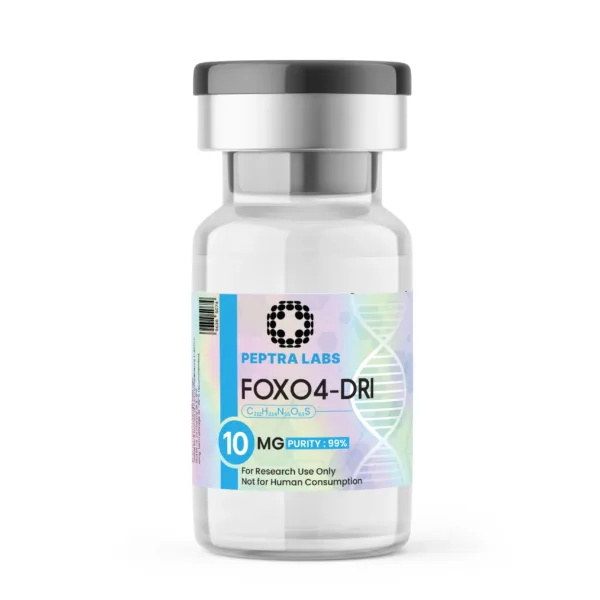
A synthetic retro-inverso peptide (FOXO4-DRI) designed to interfere with the FOXO4-p53 interaction. Studied in published in vitro and mouse models of cellular senescence and senescent-cell apoptosis. Research use only.
- Purity tested
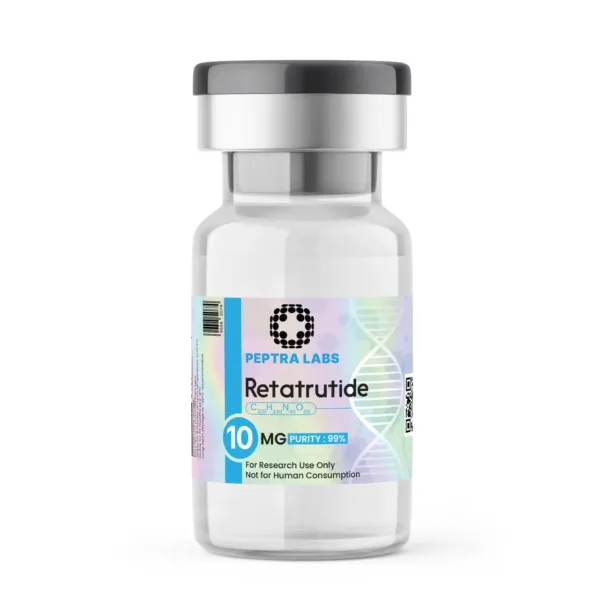
A synthetic triple agonist with activity at the GLP-1, GIP and glucagon receptors. Studied in the published literature on energy balance, glucose handling and hepatic lipid metabolism.
- Purity tested
- Endotoxin tested
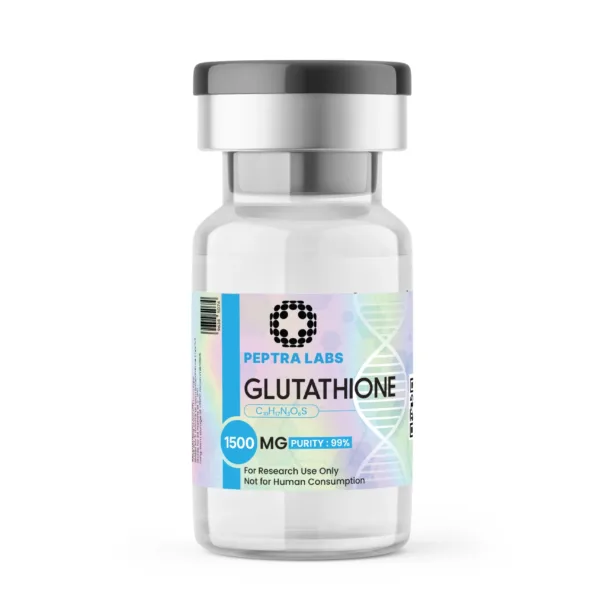
A tripeptide (γ-glutamyl-cysteinyl-glycine) and the main intracellular thiol antioxidant, supplied in lyophilised form. Studied in published in vitro research on redox balance, oxidative stress and enzymatic conjugation pathways. Research use only.
- Purity tested
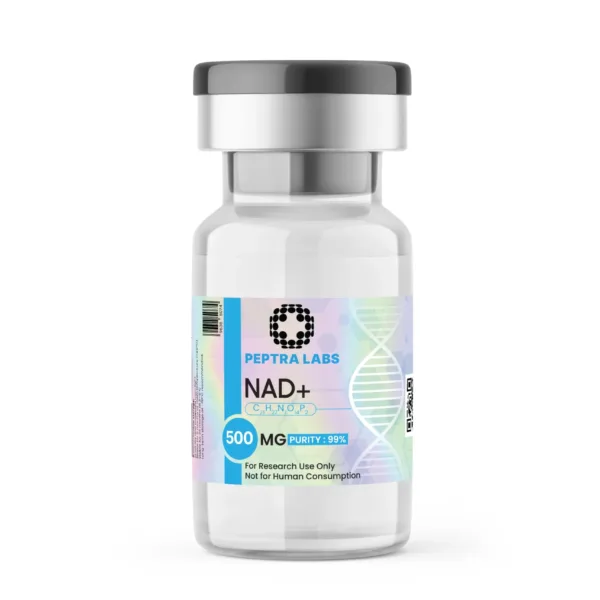
Nicotinamide adenine dinucleotide, a coenzyme present in all living cells. Studied in published in vitro and animal research on cellular energy metabolism, DNA repair enzymes (PARPs) and sirtuin activity. Research use only.
- Purity tested
- Endotoxin tested
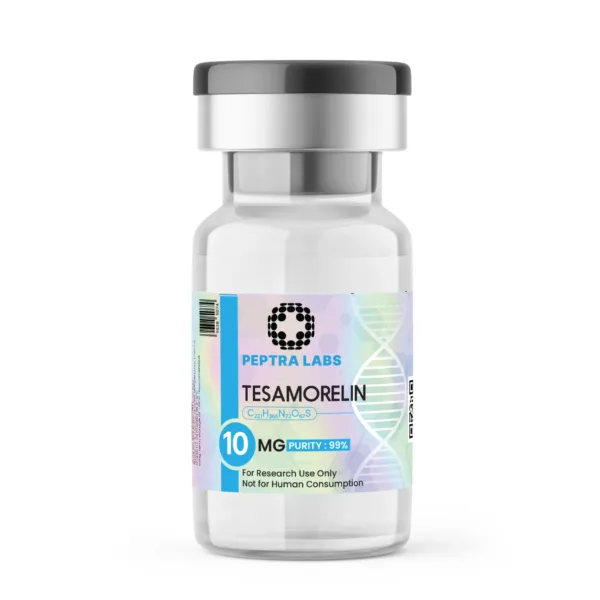
A synthetic analogue of full-length human GHRH (1-44) with an N-terminal modification that increases its stability. Studied in published research on GHRH receptor signalling, growth hormone secretion and the GH/IGF-1 axis. Research use only.
- Purity tested
- Endotoxin tested
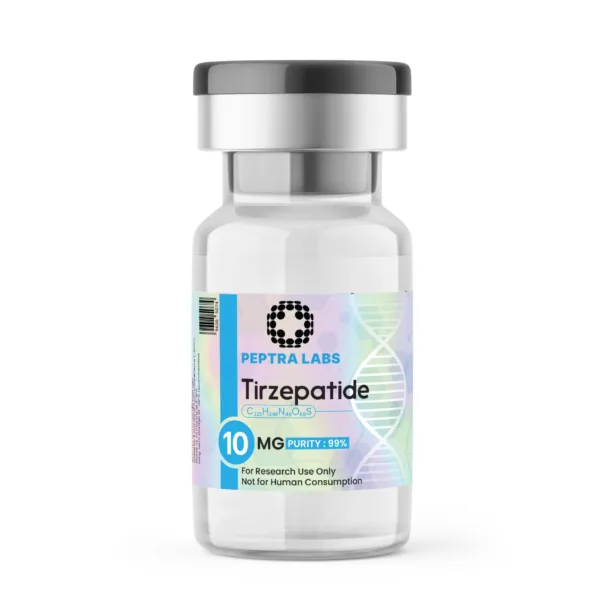
A synthetic 39-amino-acid dual agonist of the GIP and GLP-1 receptors. Studied in published in vitro and animal research on incretin receptor signalling, glucose handling and energy balance. Research use only.
- Purity tested
- Endotoxin tested