
Tag Archives: semaglutide


Semaglutide and NAION: 2.33 Relative, 0.16 Points Absolute
Semaglutide initiators had 2.33 times the NAION risk of SGLT2 users in 102,361 veterans. The absolute difference was 0.16 percentage points.

Semaglutide vs Surgery: Same Stiffness Drop, Less Fat Loss
Semaglutide cut liver fat about half as much as sleeve gastrectomy over 72 weeks, and liver stiffness fell by the same relative amount.
Semaglutide vs Tirzepatide in FAERS: 192,791 US Reports
Semaglutide carried the cardiac reporting signals in a 2026 FAERS analysis, despite tirzepatide having more than twice as many reports overall.

Semaglutide: 6 Years of EU Reports, Two Unsettled Signals
Semaglutide drew more eye and suicidal ideation reports than dulaglutide in EudraVigilance. A 2024 cohort of 240,000 people found the opposite.

Tirzepatide vs Semaglutide: Liver Outcomes Are Level
Tirzepatide dropped more BMI than semaglutide over 17 months, and hard liver outcomes came out identical: 4.05 versus 4.04 events per 1000 person-years.

Semaglutide and Cognition: 13,007 Records, One Null Result
Semaglutide beat three comparators on a cognitive score in 13,007 psychiatric patients, and tied with the fourth. The fourth also acts on GLP-1.


Semaglutide Cut hsCRP 37.8% in SELECT, Before Weight Loss
Semaglutide lowered hsCRP by 37.8% in SELECT, and the drop appeared by week 4, before major weight loss and also in people who lost no weight.

Semaglutide in MASH: What a 52-Week Biopsy Trial Found
Semaglutide plus an SGLT2 inhibitor beat monotherapy on every histological number in a 52-week MASH trial, and still missed its primary endpoints.
Tirzepatide and Blood Pressure: 32 Trials, Two Signals
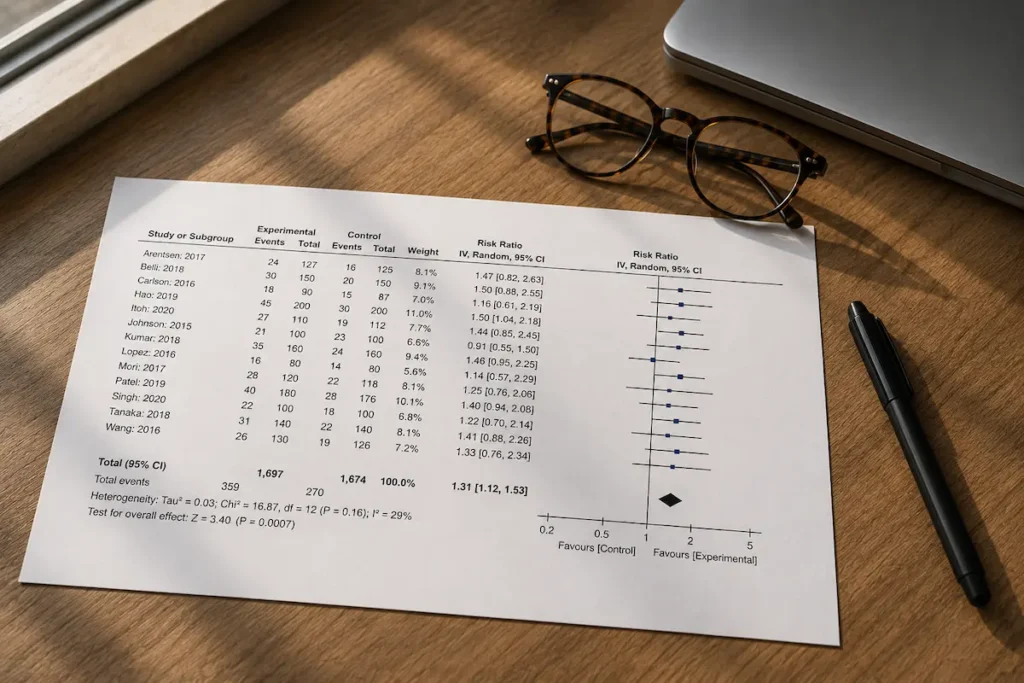
Tirzepatide cut hypertension-related adverse events but raised hypotension-related ones across 32 trials, while semaglutide looked neutral on both counts.

Anti-Obesity Medications and Ageing: What a 2026 Review Reports
A narrative review published in August 2026 maps what anti-obesity medications appear to do beyond weight loss, from cardiovascular outcomes to skin laxity, and states plainly where the evidence stops short.