
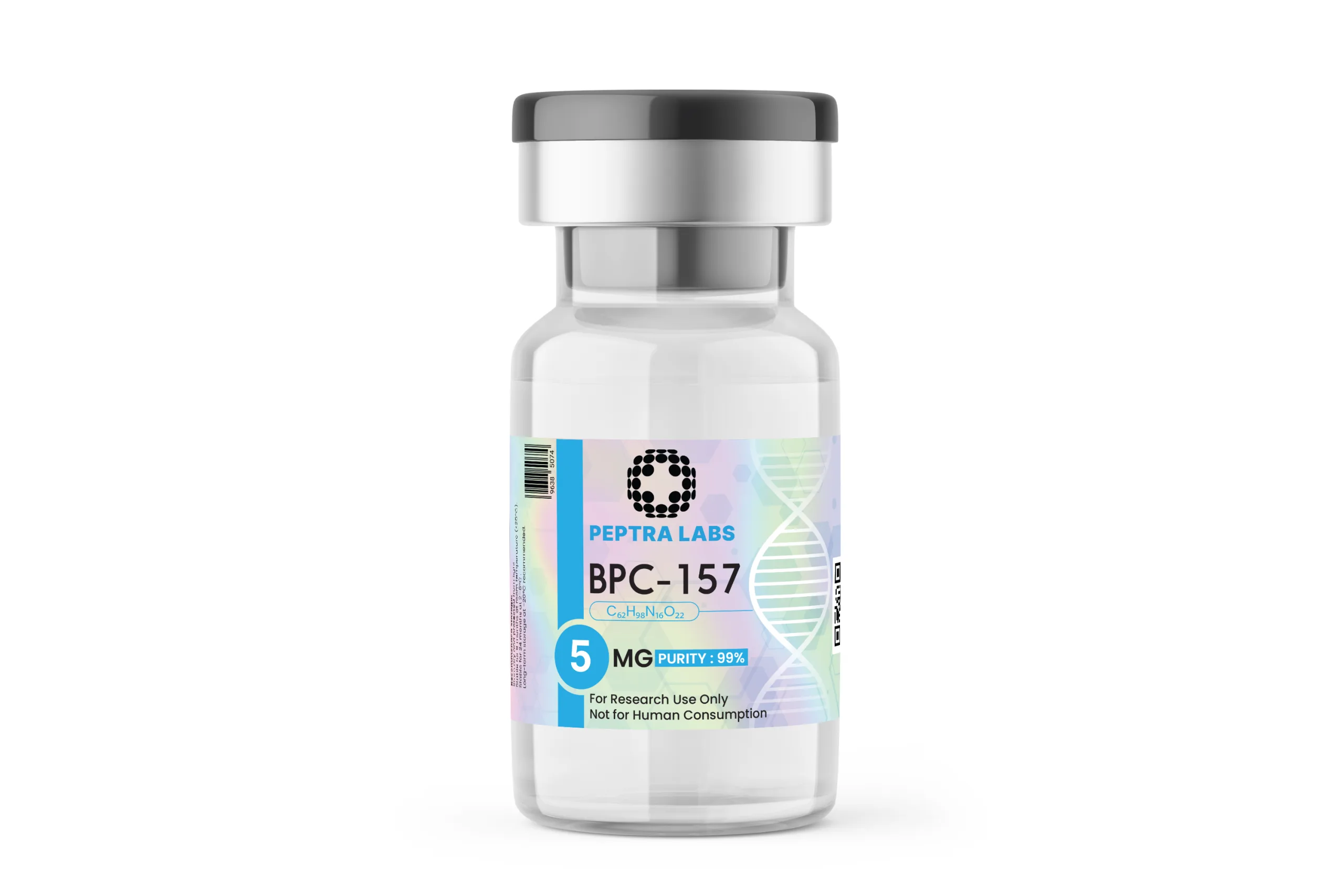
BPC-157
5mg54,99 € incl. VAT
A synthetic pentadecapeptide based on a sequence of the gastric protein BPC (body protection compound). Studied in published animal models involving tendon, muscle, gastrointestinal and nerve tissue. Research use only.
In stock
Batch-level quality proof
Every research peptide is supplied as a sealed, clearly labelled vial. Where a production lot has been tested, its Certificate of Analysis information and purity results are published online, not shipped as research paperwork in the parcel.
Sealed vial
Clear label, lot traceability, protective packaging.
Certificate of Analysis per tested lot
Listed report available for batch XD-BC5-PO06. Purity shown: 99.6%.
RUO boundary
Not for human or veterinary use, no protocol or dosing advice.
When this product is not suitable: Do not order for personal use, clinical use, injection, compounding, resale as a supplement, or any project that requires a specific assay not shown for the relevant batch.
Product specifications
| Quantity | 5mg |
|---|---|
| Unit | 1 Vial |
| Purity data | 99.6% (batch XD-BC5-PO06) |
| Salt form | Acetate |
| Sequence | Gly-Glu-Pro-Pro-Pro-Gly-Lys-Pro-Ala-Asp-Asp-Ala-Gly-Leu-Val |
| Molecular mass | 1418.67 |
| CAS number | 137525-51-0 |
| Solubility | Soluble in water |
Description
Research Use Only. This material is supplied for in-vitro laboratory research by qualified professionals. It is not a medicine, supplement, cosmetic ingredient or veterinary product, and it is not for human or animal consumption. The research summary below describes published scientific literature; it is not a claim of effect, benefit or suitability for any person.
BPC-157 is a lab-made peptide made up of 15 amino acids. It was first identified in human gastric juice, where it appears as a fragment of a larger, body-protective protein. Since that early description, it has drawn steady interest in the scientific literature, mainly through preclinical animal models of tissue repair. Supplied as lyophilised material for in-vitro laboratory research.
Research context
Published research touching on BPC-157 includes work in tissue-repair settings, angiogenesis studies, gastrointestinal mucosal models, connective-tissue models, oxidative-stress experiments, and studies looking at how it behaves alongside other compounds.
The product is intended for scientific research and development purposes only. Chemical substances shall not be used as a drug, medicine, active substance, medical aid, cosmetic product, a substance for production of a cosmetic product neither for human consumption that is any food or food supplement or otherwise similarly used on humans or animals. Intended only for in-vitro research, such as Receptor-ligand binding studies, Enzyme activity assays, Cell proliferation assays, Cell signaling assays, Epitope mapping, etc. Do not order for personal use, clinical use, injection, compounding, resale as a supplement, or any project that requires a specific assay not shown for the relevant batch.
Frequently asked questions
What is BPC-157 used for in research?
BPC-157 is a research compound studied in preclinical and in-vitro literature. Peptra Labs supplies it strictly for laboratory research use only, not for human or veterinary use.
Can I buy BPC-157 in Europe from Peptra Labs?
Peptra Labs supplies BPC-157 to European laboratory buyers. Orders contain a sealed, clearly labelled vial, with EU shipping and online Certificate of Analysis information for each lot that has been tested. No physical Certificate of Analysis or research papers are promised inside the parcel.
Does BPC-157 have a Certificate of Analysis?
Where a lot of BPC-157 has been tested, its Certificate of Analysis information is published in the Peptra Labs lab reports archive. Use the online report to review the batch number, HPLC purity data, test method, and source link, then compare the batch information with the vial label. If no report is listed for your lot, none has been published yet.
What purity signals should I check for BPC-157?
Check the vial label, batch number, available HPLC purity data, Certificate of Analysis source, supplier identity, storage guidance, and the absence of human-use claims. A useful supplier page should make these checks clear instead of relying on generic purity promises.
How is BPC-157 stored in research labs?
Keep BPC-157 sealed, protected from light and stored as stated on the label for long-term laboratory storage. After laboratory preparation for in-vitro work, follow your institution's validated handling procedure.
Human or veterinary use?
No. BPC-157 from Peptra Labs is supplied strictly as laboratory research material and must not be used as a human or veterinary product.
Batch test records
4 test records published for this compound. Check the batch number on your vial against the list below.
- Tested
- October 1, 2026
- Assay
- Purity, Endotoxin, Heavy metals
- Purity
- 99.6%
- Tested
- August 21, 2026
- Assay
- Purity, Endotoxin
- Purity
- 98.4%
- Tested
- July 24, 2026
- Assay
- Purity
- Purity
- 98.162%
- Tested
- March 20, 2026
- Assay
- Purity
- Purity
- 99.6%
You Might Also Like
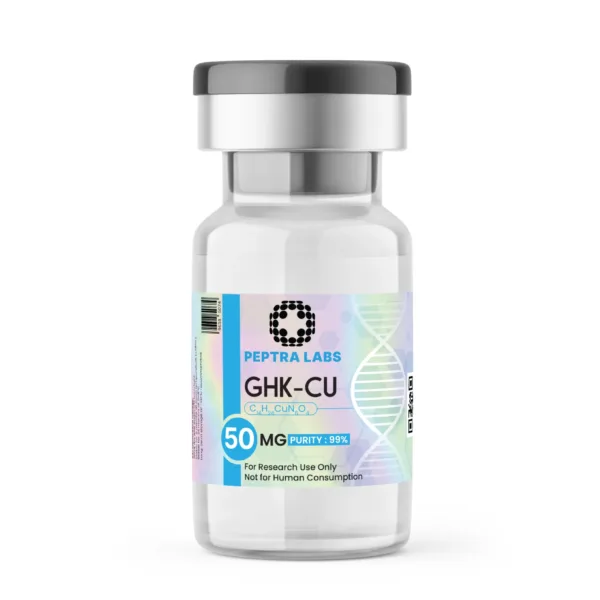
A copper-binding tripeptide (glycyl-L-histidyl-L-lysine) found naturally in human plasma. Studied in published in vitro and animal research on extracellular matrix synthesis, skin cell biology and gene expression. Research use only.
- Purity tested
- Endotoxin tested
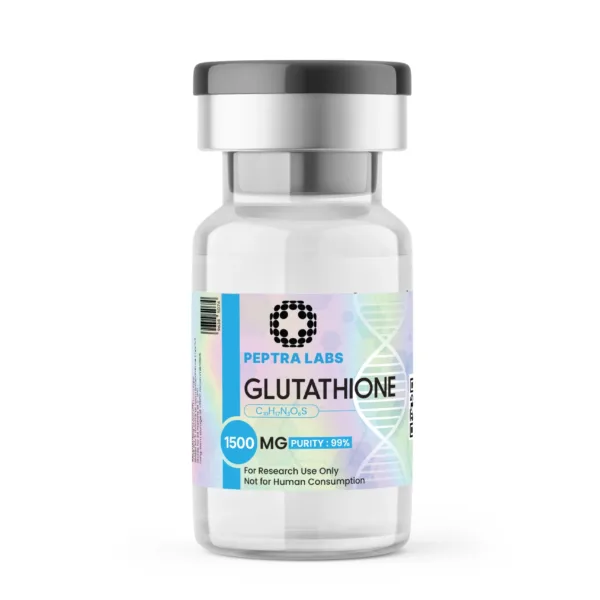
A tripeptide (γ-glutamyl-cysteinyl-glycine) and the main intracellular thiol antioxidant, supplied in lyophilised form. Studied in published in vitro research on redox balance, oxidative stress and enzymatic conjugation pathways. Research use only.
- Purity tested
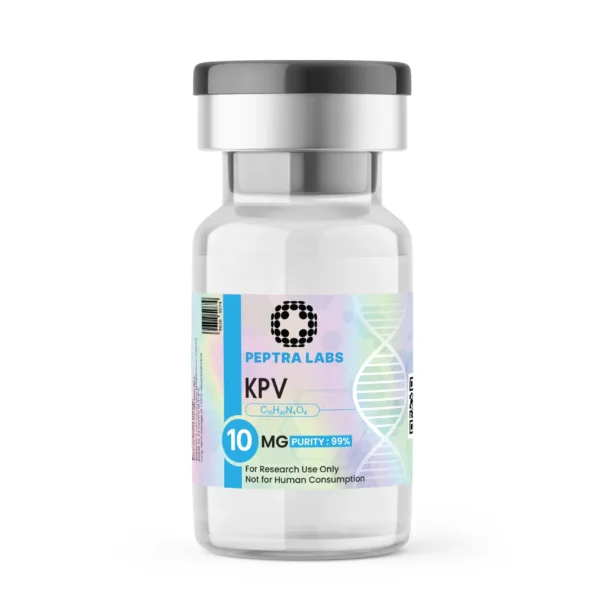
A tripeptide (Lys-Pro-Val) from the C-terminal end of alpha-melanocyte-stimulating hormone. Studied in published in vitro and animal models of intestinal and skin inflammatory signalling. Research use only.
- Purity tested
- Endotoxin tested
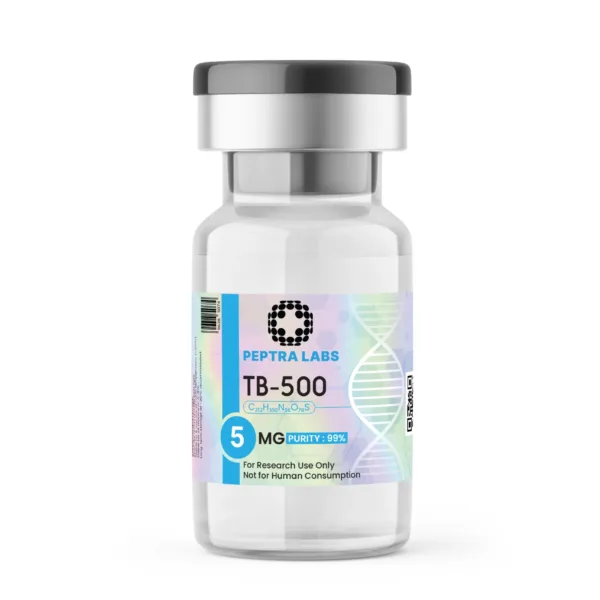
A synthetic peptide related to thymosin beta-4, a 43-amino-acid actin-binding protein. Studied in published in vitro and animal research on actin regulation, cell migration and angiogenesis. Research use only.
- Purity tested
- Endotoxin tested
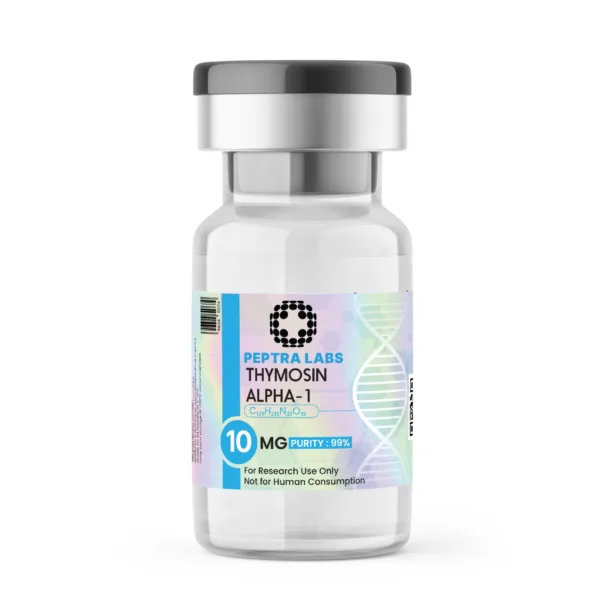
A 28-amino-acid peptide originally isolated from thymus tissue (thymosin fraction 5). Studied in published in vitro and animal research on T-cell maturation, dendritic-cell signalling and immune response. Research use only.
- Purity tested
- Endotoxin tested
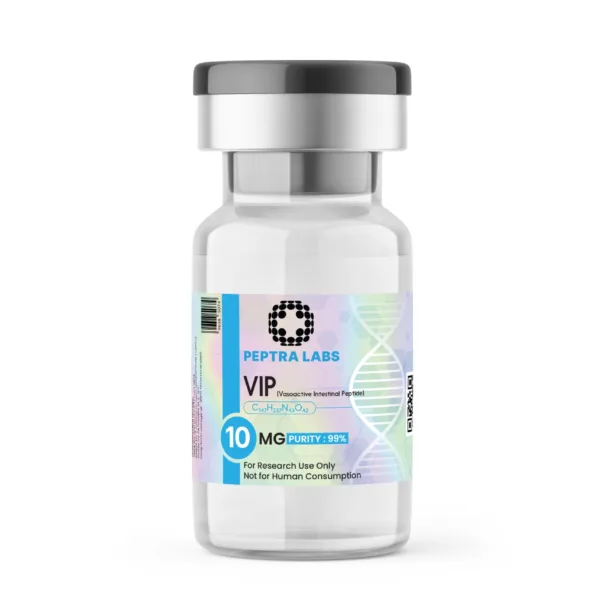
Vasoactive intestinal peptide, a 28-amino-acid neuropeptide that signals through the VPAC1 and VPAC2 receptors. Studied in published in vitro and animal research on vascular, immune and circadian signalling. Research use only.
- Purity tested
- Endotoxin tested