BPC-157
A stable gastric pentadecapeptide derived from human body protection compound, extensively researched for its regenerative properties across multiple tissue types including tendons, muscles, the gastrointestinal tract, and the nervous system. All presented information is based on scientific publications which can be found at the end of product description below.
Batch-level quality proof
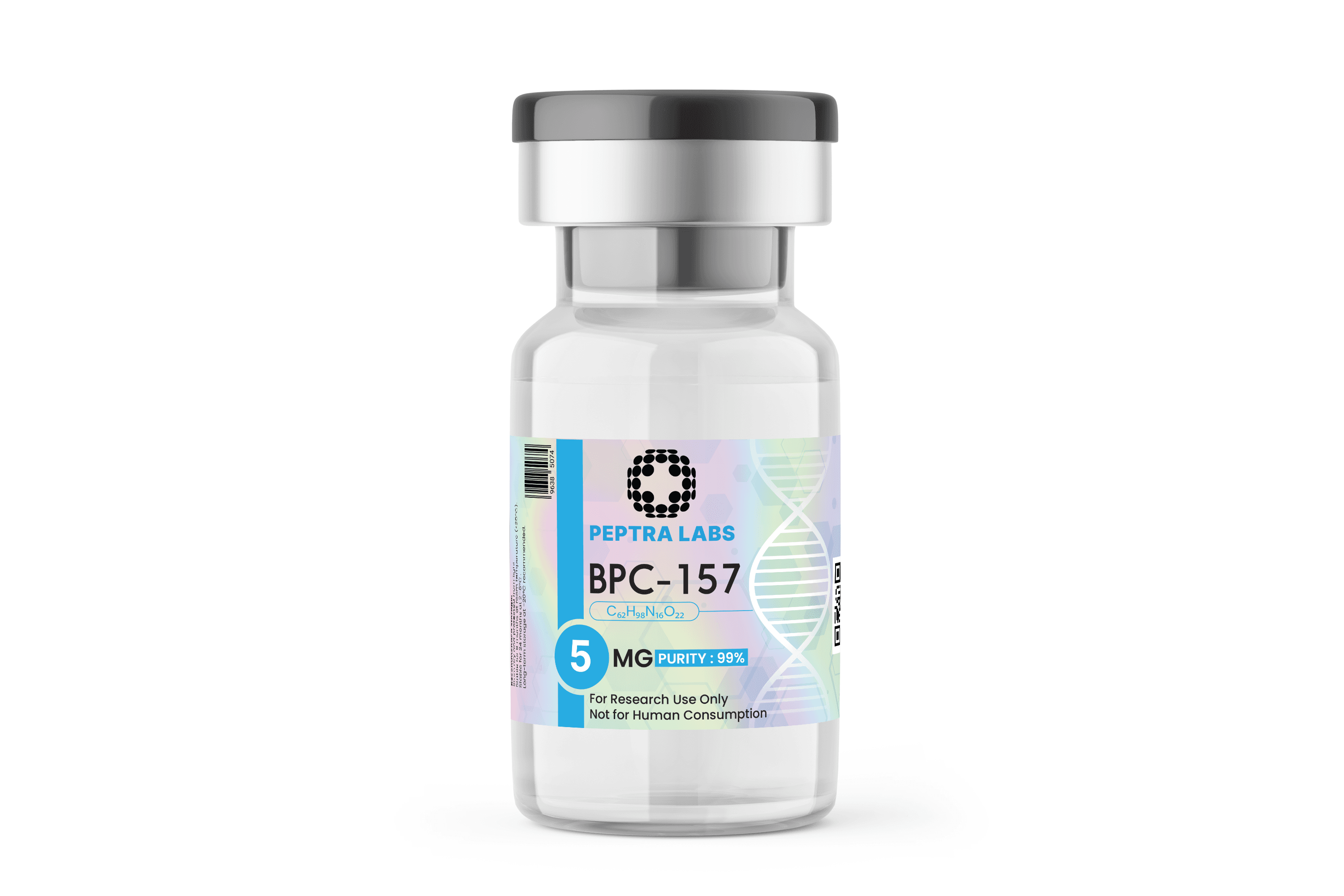
Every research peptide is supplied as a sealed, clearly labelled vial. Batch-level CoA information and purity testing records are available online where applicable, not shipped as research paperwork in the parcel.
Clear label, lot traceability, protective packaging.
Listed report available for batch QYA055. Purity shown: 99.6%.
Not for human or veterinary use, no protocol or dosing advice.
BPC-157 guides
Orders contain only the sealed, clearly labelled vial. For context, CoA review, and RUO rules, check the Peptra guides before buying.
Product specifications
Description
All presented information is based on scientific publications which can be found at the end of product description below.
BPC-157 is a synthetic 15-amino-acid peptide fragment originally isolated from human gastric juice, where it occurs as part of a larger body-protective protein. Since its initial characterization, this compound has attracted considerable scientific attention due to its broad regenerative profile observed in preclinical models. Research Highlights 1. Tissue Regeneration and Wound Repair Laboratory investigations using rodent models have demonstrated that BPC-157 accelerates the repair of diverse tissue injuries, including tendon ruptures, muscle tears, ligament damage, and skin burns. The peptide appears to enhance fibroblast recruitment, stimulate collagen deposition, and promote re-epithelialization through activation of the ERK1/2 signaling cascade. Notably, studies on tendon fibroblasts revealed dose-dependent increases in growth hormone receptor expression, with up to sevenfold elevations observed by the third day of study. 2. Vascular Growth and Collateral Formation BPC-157 has been identified as a potent angiogenic factor that promotes endothelial cell proliferation via VEGFR2 receptor stimulation within the nitric oxide signaling pathway. In vivo experiments showed the peptide rapidly restoring blood flow through collateral vessel activation in models of venous occlusion, an effect closely linked to the NO system and reduction of free radical formation. 3. Cytoprotective and Anti-Ulcer Activity As a cytoprotective mediator, BPC-157 demonstrates protective effects on the gastrointestinal mucosal barrier while simultaneously addressing lesions in the liver, brain, and cardiovascular tissue. 4. Tendon and connective tissue research Preclinical evidence indicates that BPC-157 stimulates F-actin production in fibroblasts and enhances phosphorylation of paxillin and FAK proteins — critical mediators of cell migration. 5. Antioxidant Properties BPC-157 appears capable of neutralizing markers of oxidative stress, including nitric oxide and malondialdehyde. 6. Drug Side Effect Mitigation Animal studies suggest BPC-157 may counteract adverse effects of certain pharmaceuticals, particularly NSAIDs, neuroleptics, and prokinetics. References available upon request. The product is intended for scientific research and development purposes only. Chemical substances shall not be used as a drug, medicine, active substance, medical aid, cosmetic product, a substance for production of a cosmetic product neither for human consumption that is any food or food supplement or otherwise similarly used on humans or animals. Intended only for in-vitro research, such as Receptor-ligand binding studies, Enzyme activity assays, Cell proliferation assays, Cell signaling assays, Epitope mapping, etc.
Research Use Only: The product is intended for scientific research and development purposes only. Chemical substances shall not be used as a drug, medicine, active substance, medical aid, cosmetic product, a substance for production of a cosmetic product neither for human consumption that is any food or food supplement or otherwise similarly used on humans or animals. Intended only for in-vitro research, such as Receptor-ligand binding studies, Enzyme activity assays, Cell proliferation assays, Cell signaling assays, Epitope mapping, etc.
🇪🇺 EU & UK shipping • Free over €300 • estimated at checkout
Frequently asked questions
- BPC-157 is a 15-amino-acid synthetic research peptide used in preclinical and in-vitro literature around tissue repair, gastrointestinal models, vascular biology, and cellular response pathways. Peptra Labs supplies it strictly for laboratory research use only, not for human or veterinary use.
- Peptra Labs supplies BPC-157 research peptide for European laboratory buyers. Orders contain a sealed, clearly labelled vial, with EU shipping and online CoA information available where applicable. No physical CoA or research papers are promised inside the parcel.
- Batch-level CoA information is available where applicable through Peptra Labs lab reports. Use the online report to review the batch number, available HPLC purity data, test method, and source link, then compare the batch information with the vial label.
- Check the vial label, batch number, available HPLC purity data, CoA source, supplier identity, storage guidance, and the absence of human-use claims. A useful supplier page should make these checks clear instead of relying on generic purity promises.
- Lyophilised BPC-157 is typically stored sealed, protected from light, and cold for long-term laboratory storage. After laboratory preparation for in-vitro work, follow your institution's validated handling procedure and avoid repeated freeze-thaw cycles.
- No. BPC-157 from Peptra Labs is supplied strictly as laboratory research material and must not be used as a human or veterinary product.